From urban beehives to gardens and fully-functioning farms, NYC residents have begun to green the city’s rooftops. But what exactly is a green roof? Our very own Yves Lankouande has got you covered with the basics.
What’s a green roof?
According to the Environmental Protection Agency (EPA), a green roof, or rooftop garden, is “a vegetative layer grown on a rooftop”. Some green roofs provide shade and remove heat from the air through evapotranspiration, which reduce temperatures of the roof surface and the surrounding air.
Are there different types of green roofs?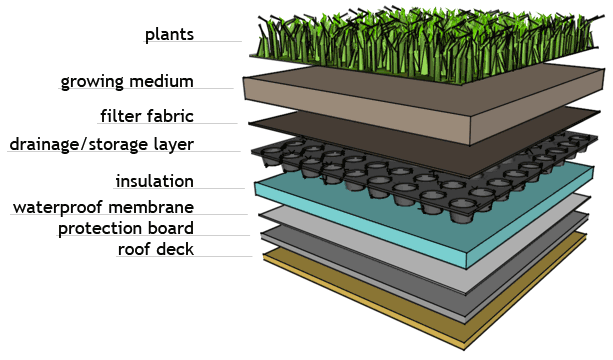
There are two basic types of green roofs: Extensive and Intensive. An additional type, the semi-intensive green roof, can also be added.
Extensive green roofs are generally small and work well with little load bearing capacity. The mineral substrate layer, containing little nutrients, is not very deep but suitable for less demanding and low growing plant communities. Intensive green roofs,on the other hand, are larger and usually contain perennials, bushes, trees. Usually these types of roofs have different features and additional design such as walkways, benches or even ponds. (See the International Green Roof Association for more information).
What are the benefits of green roofs?
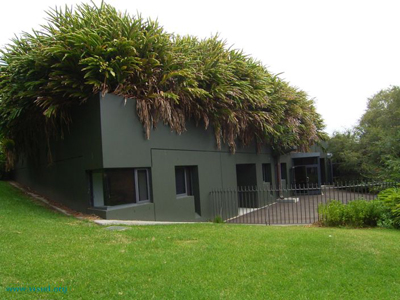 There are many benefits associated with green roofs. One of them is that green roofs can reduce water runoff up to 80% on extensive systems. Reducing runoff prevents downstream sewer overflow downstream and also reduces erosion. Reducing runoff also reduces the spread of pollutants from roofing materials. Another major advantage of green roofs is that they can significantly reduce the heat island effect, where urbanized areas are several degrees warmer than rural areas.
Many people believe that green roofs improve the buildings thermal insulation, which is in fact not true. As a matter of fact, the R-value of a typical green roof is 0.25/inch, which is really low to be effective. However, green roofs can be good for acoustic insulation in buildings, while they can also extend the life of the roof by blocking UV rays.
Green roofs can also be used to grow food or plant gardens, an option that is especially attractive in heavily urbanized areas. In addition to expanding recreational space for humans, green roofs can provide alternative habitats for local wild life.
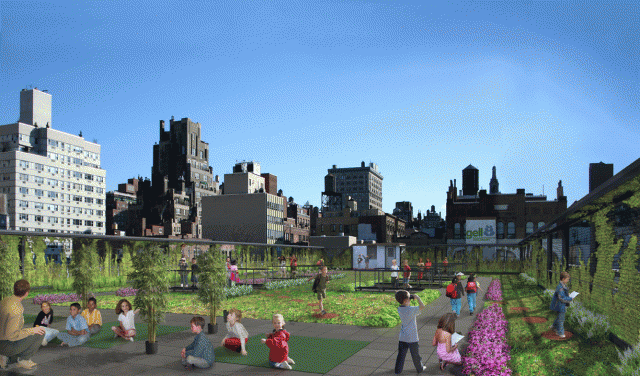 Green roofs can also have an educational purpose. For example, the New York PS41 Greenroof Environmental Literacy Laboratory’s (GELL) 15,000 sq. ft. observational learning environment will be one of the city’s largest municipal green roofs at a NYC public school. The learning facility’s integration into the curriculum includes lesson plans hands-on educational opportunities in farm-to-table agriculture, urban sustainability and environmental stewardship.
Images: IGRA, EPA, GELL, and NYC Parks Department